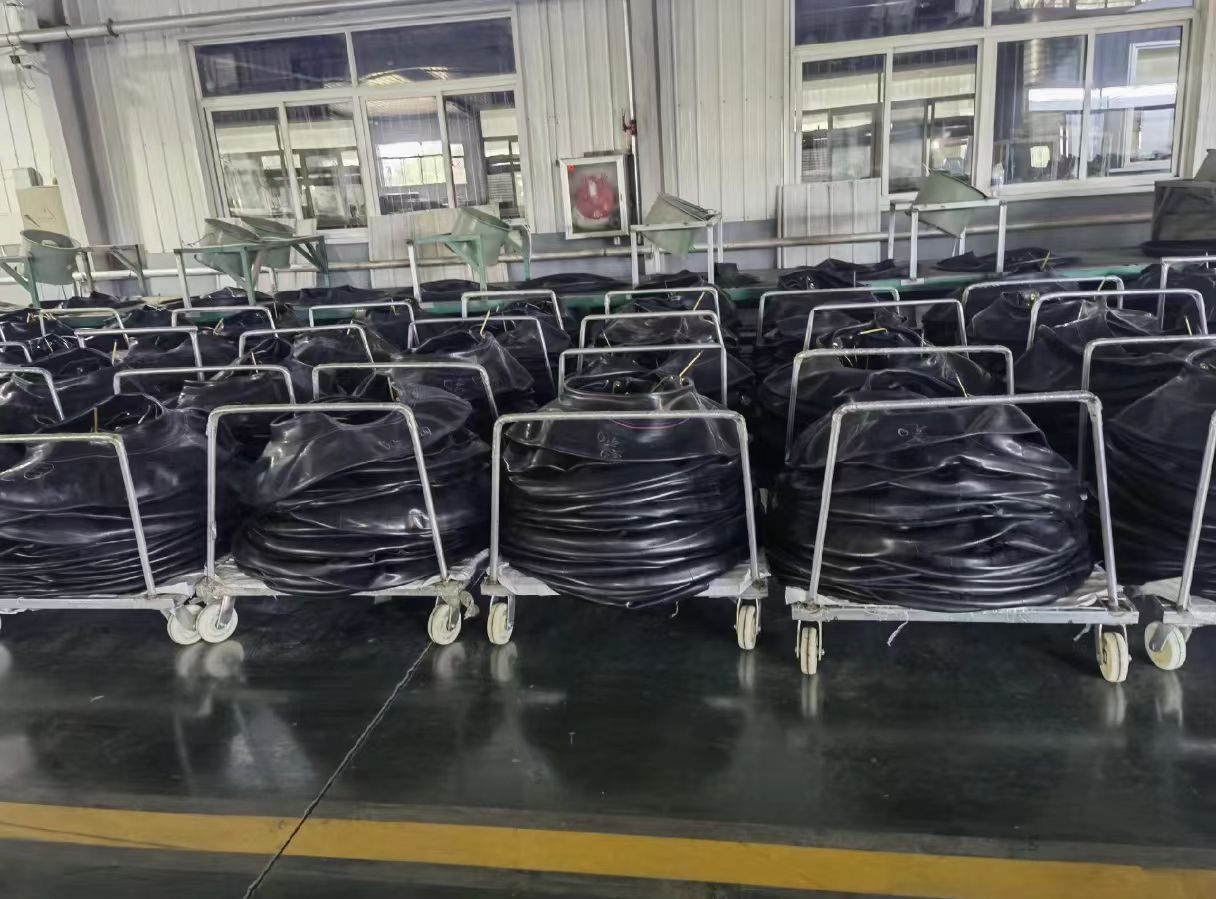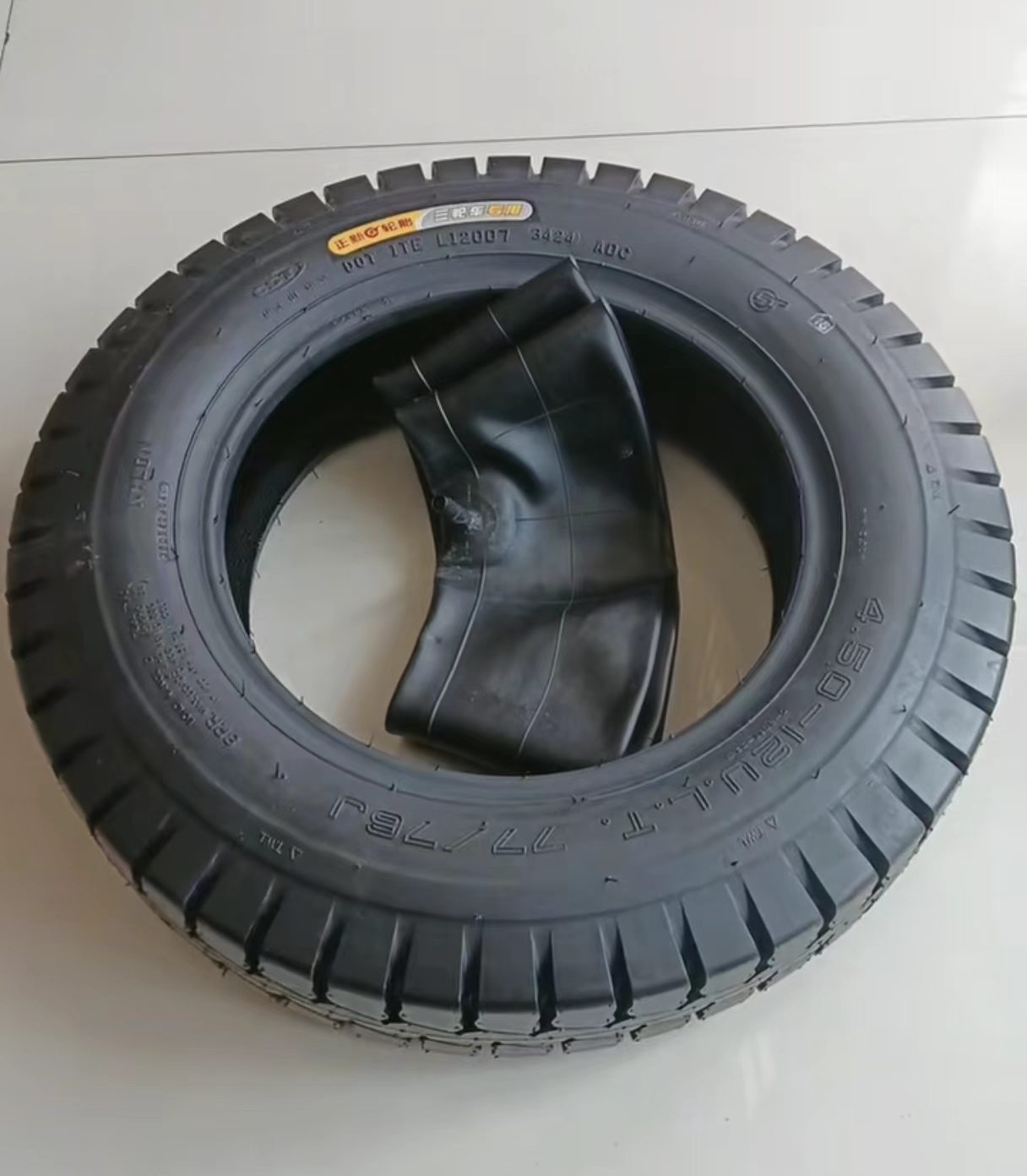
Deciding on a suitable tire tube can be tricky, however this explanation seeks to guide customers. Initially, establish the required size – look to your wheel’s sidewall for markings. Thereafter, think about the projected use; urban riding requires a different tube than challenging mountain biking. Valve model is yet another key factor; Schrader openings are customary and easy to inflate, while Presta openings are usually recognized on higher-end bikes. Finally, quality matter; thicker substance yields heightened breakdown resistance, but also increases weight.
Commercial Tubes: Toughness and Soundness for Extensive Loads
Regarding ensuring the efficiency of your haul trucks, tough inner fittings are decisively important. These modules are precisely fashioned to cope with the tests of hauling large loads. Unlike typical car tubes, truck inner tubes are constructed with superior materials and deliver a robust design, warranting steady efficiency even under tough settings. Investing in first-class industrial inner inserts can considerably lower downtime and enhance the overall efficiency of your line-up.
Identifying a Reliable Tube Source: Vital Aspects
Getting a solid inner tube liner supplier is vital for maintaining consistent caliber and returns within your enterprise. Thoroughly appraise their construction procedures; look for verification of meticulous control protocols. Consider the supplier's knowledge in the field, their ability to cope with your requirements requirements, and their dedication to environmentally friendly methods. Lastly, get specimens and compare them alongside your standing standards before coming to a definitive judgment.
Rubber Flaps Explained: Function, Forms, and Care
Recognizing wheel shields is fundamental for all vehicle owner. These units are integrated within the outer wall and largely function to strengthen durability and counteract damage from hits. Customarily, you’ll find multiple models: ply liner flaps, which provide improved protection against rocks, and oblique sidewall reinforcements which are antiquated tire inner tube designs. Frequent review of your rubber walls for marks of splitting is crucial. While personal attention of sidewall reinforcements is constrained, maintaining fitting air pressure and orientation can promote enhance their operational duration.
- Assess sidewalls routinely
- Maintain correct inflation
- Rightly set your wheels
Substituting any bicycle tube through a cycle: A Comprehensive Walkthrough
Set out to replacing your tube, in the beginning unfill the former wheel shell. Make use of the wheel tools to slowly disengage single rim of the wheel cover from the border. Eventually, utterly remove the tube out of the rubber. Check the existing tire to identify the source of the leak. Gently place the new inner, ensuring that the air stem is exactly locked in its receptacle. Thereafter, install the outer casing upon the edge, using tire mechanisms as essential. Blow up the brand-new liner to the proper pressure.
Prime Rubber Compositions: Contrasting Natural and Butyl
Electing the correct inflation compound is crucial for steady effectiveness. Often, fabricated segments were a primary choice, but butyl-coating segments have mostly outdone them. Elastic casings are lighter and know how to give a slightly advanced turning resistance, even so they release pump substantially sooner than butyl-mixture cores. Butyl sections, on the alternative gesture, deliver increased pneumatic force retention, causing less frequent boosts and a greater pedaling trip.
Foremost Replacement Sources for Retail and Mass
Securing a quality dealer for backup goods can be tricky, especially with the broadening demands of both business operations and personal customers. This article highlights some of the best merchants in the sector. We've considered parameters such as product offering, tariffs, transport, and consumer service. From major players offering considerable quantities to those focusing on niche applications, we aim to give a inclusive summary for enterprises and freelance buyers alike.
Heavy-Duty Inner Refurbishment: Situations when to Seal and At what time to Exchange
Determining under what conditions to cover or remove a commercial inner insert can lower money and eliminate more concerns. Most often, small punctures, like those resulting from nails or small pins, are often restorable with a fix. However, larger tears, significant cuts, or multiple punctures suggest the tubing is beyond fixing and is required to be exchanged. Also, consider the condition of the lining; an old, used tube is more exposed to collapse, making replacement a more cautious preference.
Determining an Optimum Tire Guard for Your Project
Deciding on the accurate tire insertion can importantly impact your transport performance and longevity. Think about the particular demands of your use; are you operating in rough ground, or mainly on paved surfaces? Various compounds, such as polymers and plastic, offer varying levels of protection against punctures and damage. Too, analyze the desired extent and alignment with your bicycle wheel to secure a stable and proper seal. Choosing the correct insertion means a paramount decision for greatest results.